

WHY WINTER TIRES?
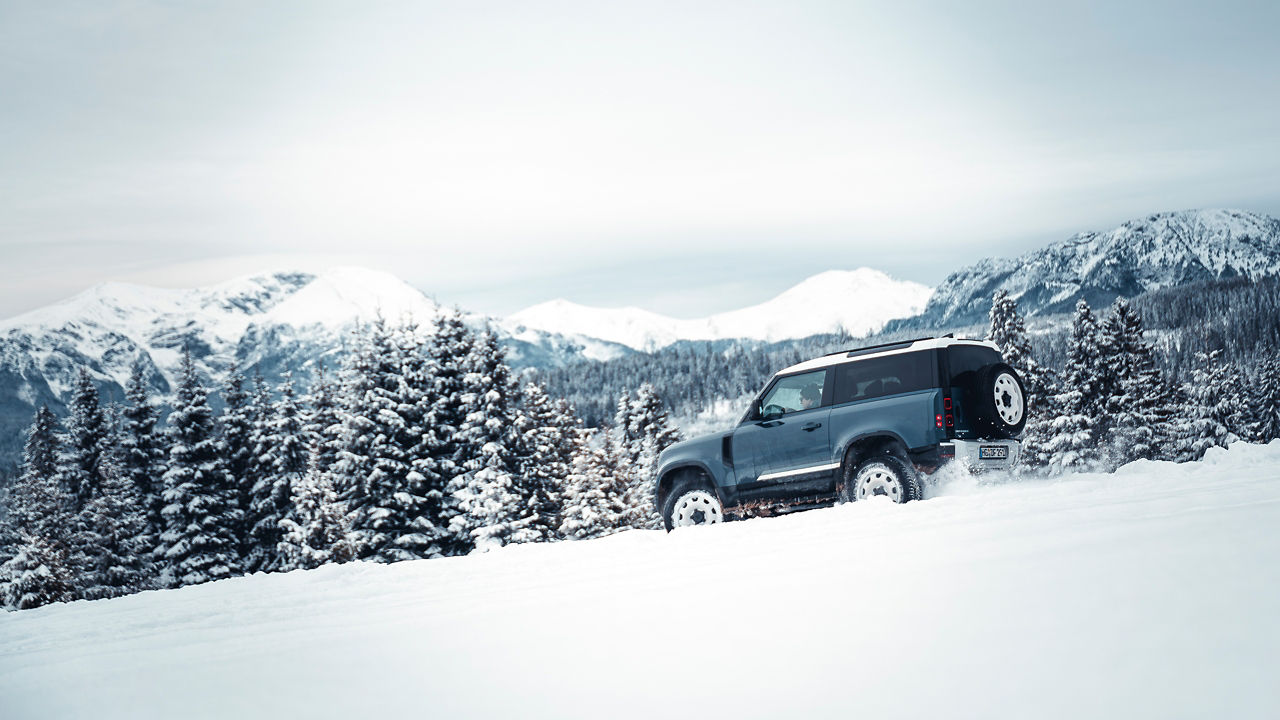
Winter Tires aren’t simply for snow. They should be fitted as soon as temperatures consistently fall to 7 °C or below — well before the first flurries arrive. At those temperatures, the rubber compounds in standard summer tires begin to harden and lose their pliability, resulting in reduced grip, longer braking distances and diminished handling on all surfaces, including dry pavement.
European Model Shown.

All-Weather and All-Season tires offer a degree of versatility, but they are inherently a compromise — designed to perform across a range of conditions, rather than being engineered for sustained cold. A purpose-made Winter Tire, by contrast, remains flexible in freezing temperatures, maintaining the contact and traction your vehicle relies upon for confident, controlled driving.
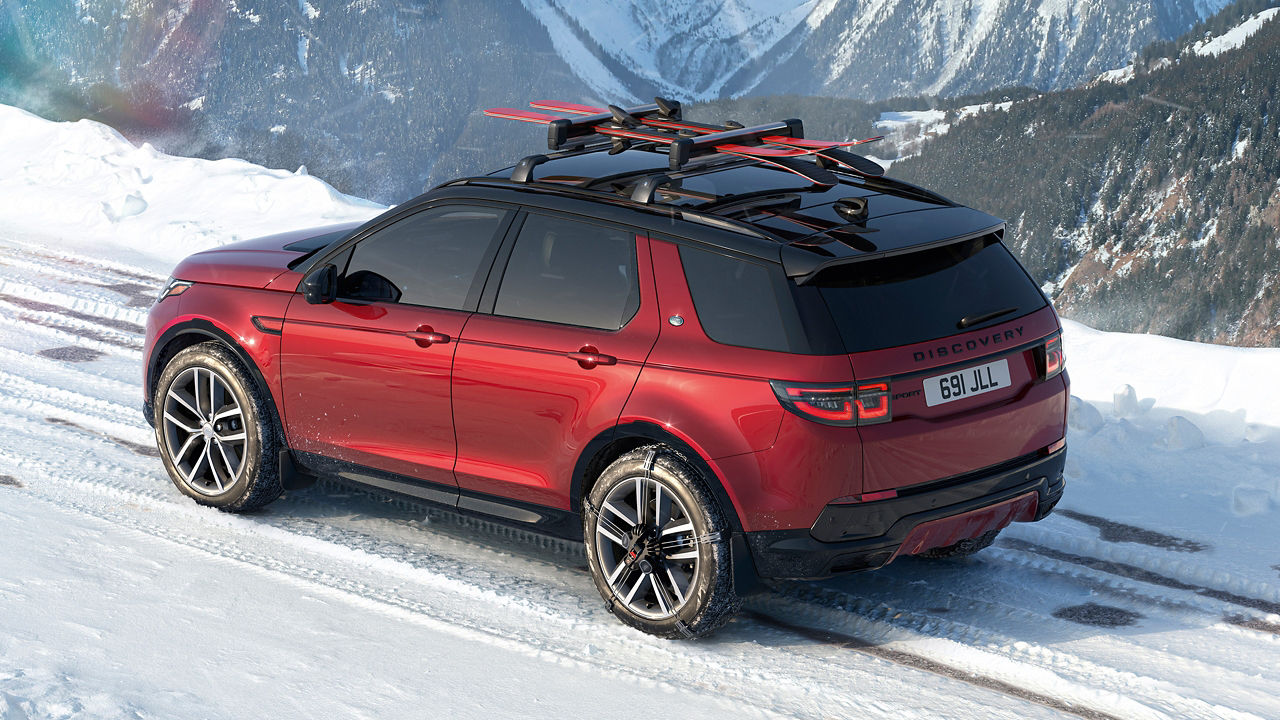
In provinces where Winter Tires are mandatory — including Québec, and in certain parts of British Columbia — the decision has already been made for drivers. For everyone else across Canada, the case is equally clear: when temperatures drop, your tires should be ready for it.
ENGINEERED FOR WINTER. DESIGNED FOR YOUR LAND ROVER.
Winter tires should be installed when temperatures consistently drop to 7°C or below. As temperatures fall, summer tires lose flexibility, reducing grip, handling, and braking performance. JLR-approved winter tires help maintain confidence, safety, and performance throughout the season.
Developed in collaboration with JLR engineers, homologated winter tires are designed to work seamlessly with your vehicle’s suspension, drivetrain, and performance systems, helping preserve the performance and refinement your vehicle was engineered to deliver.
European Model Shown.

WHY CHOOSE JLR APPROVED WINTER TIRES?
BUILT TO JLR STANDARDS
Tested and approved to meet JLR standards for handling, braking, comfort, and refinement.
ENANCED WINTER CONFIDENCE
Designed to maximize grip and control in cold temperatures, snow, and ice when paired with JLR’s advanced traction systems.
ENGINEERED FOR YOUR VEHICLE
Developed specifically for Jaguar and Land Rover vehicles to ensure optimal compatibility and performance. After all, no one knows your JLR better than JLR.
RIGOROUSLY TESTED
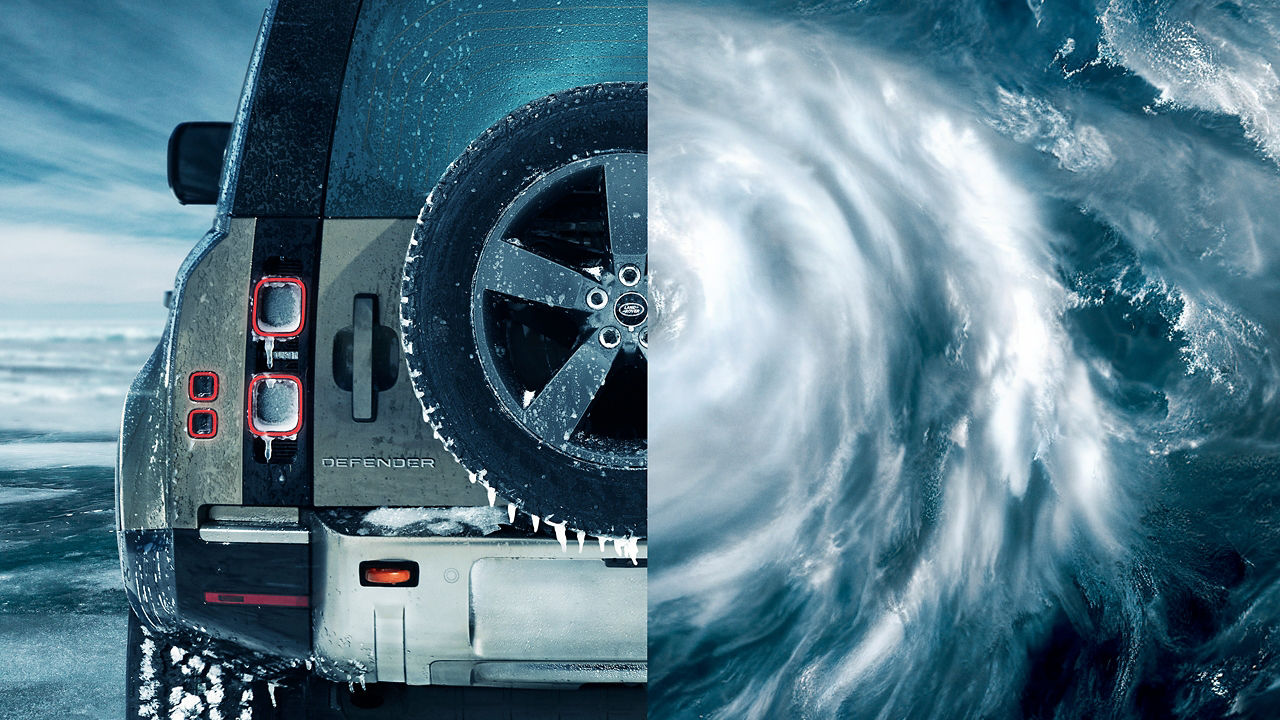
Our Winter Wheels and Tires are tested to extremes in some of the world’s most punishing cold and wet environments to earn their Approved status, ultimately delivering unwavering confidence and capability in all conditions.
European Model Shown.
HIGH-SPEED WET TRACK TESTING
To ensure optimal grip, even in heavy rain.
ENVIRONMENTAL TESTING
Tested in chambers to prove our wheels can endure extreme fluctuations in temperature and weather conditions. Testing temperatures range from -40 °C to 80 °C, and simulated environments include relentless exposure to salt, dirt, snow, slush, rain and conditions of 100 percent relative humidity.
CURB TESTING
Driving wheels into a 150 mm curb at 40 km/h, to ensure they can withstand accidental impacts and maintain structural integrity.
PROVEN TO STOP SOONER
Our Approved Winter Tires are proven to reduce braking distance by up to 13 percent* in temperatures below 7 °C, delivering improved grip and performance even when temperatures plummet.
European Model Shown.

ACCESSORIES
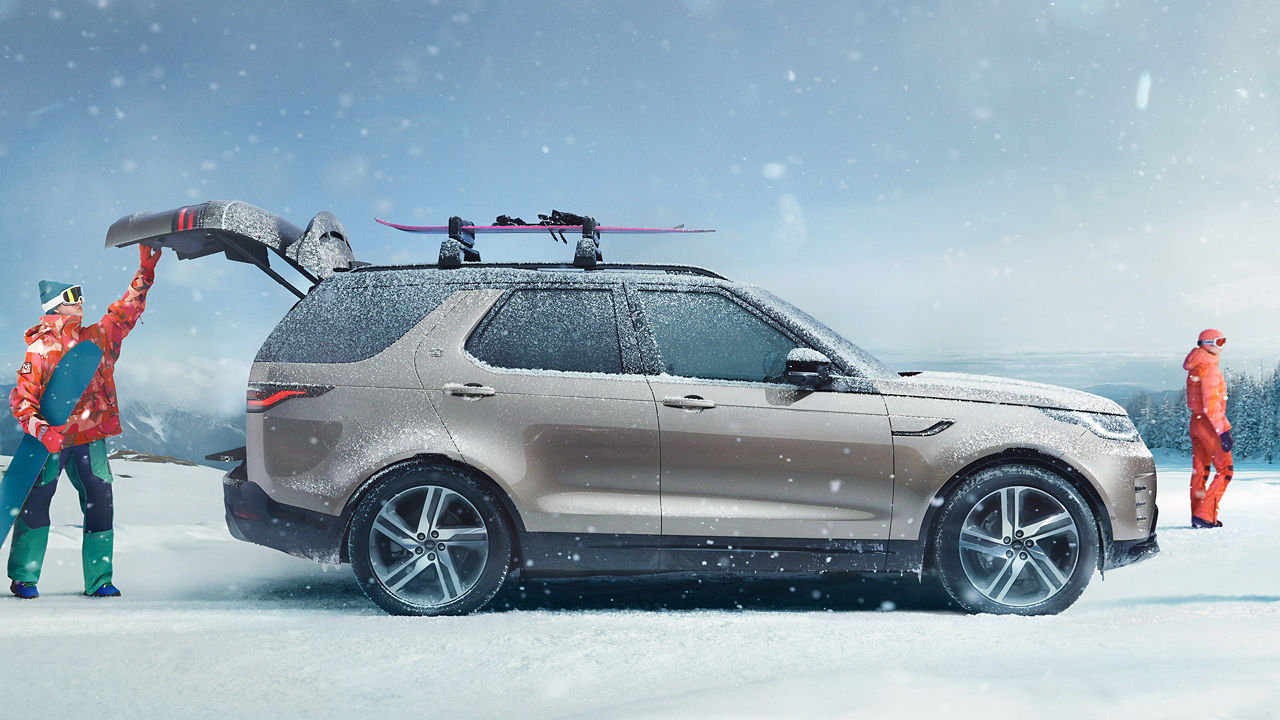
Personalize your vehicle with a wide range of accessories specially designed for your vehicle.
European Model Shown.
*Braking distance claim based on internal testing.